KitLegit
For collectors
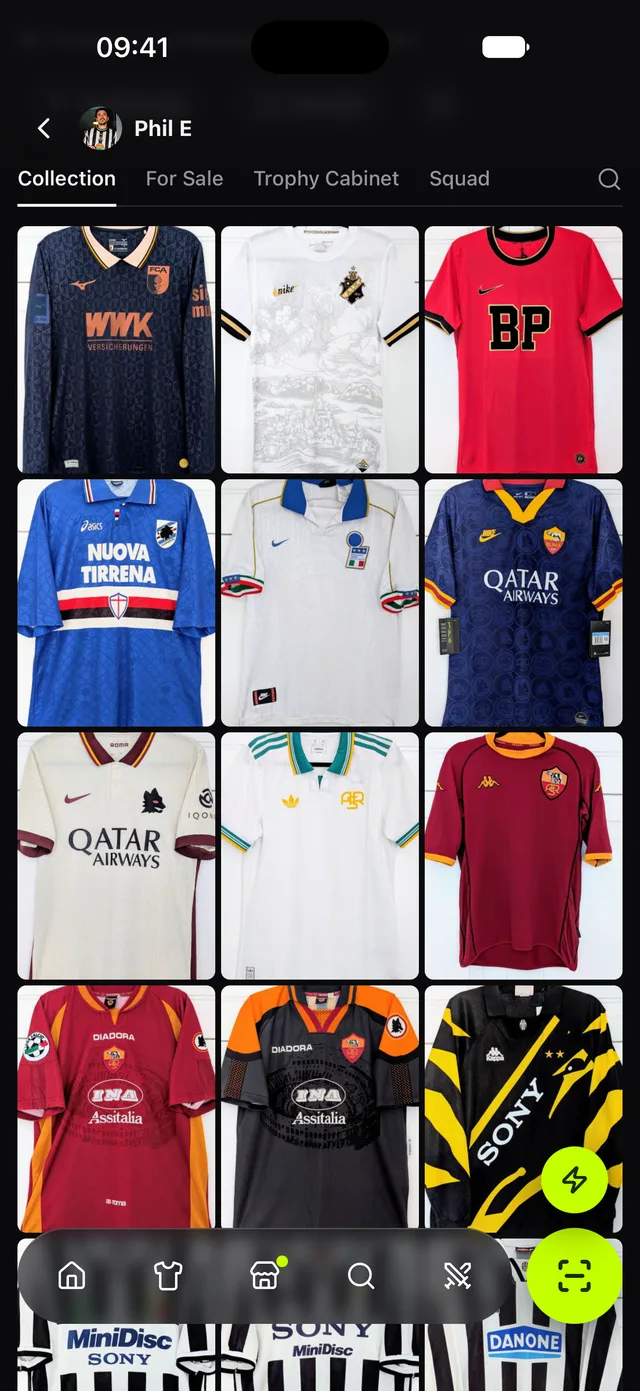
KitLegit is a collection you can prove: a check behind every shirt in it, and the whole thing on a profile other collectors can look at.
Start with your first shirtYou can't type a shirt in. It's there because it was checked and came back authentic.
Nothing gets in on trust
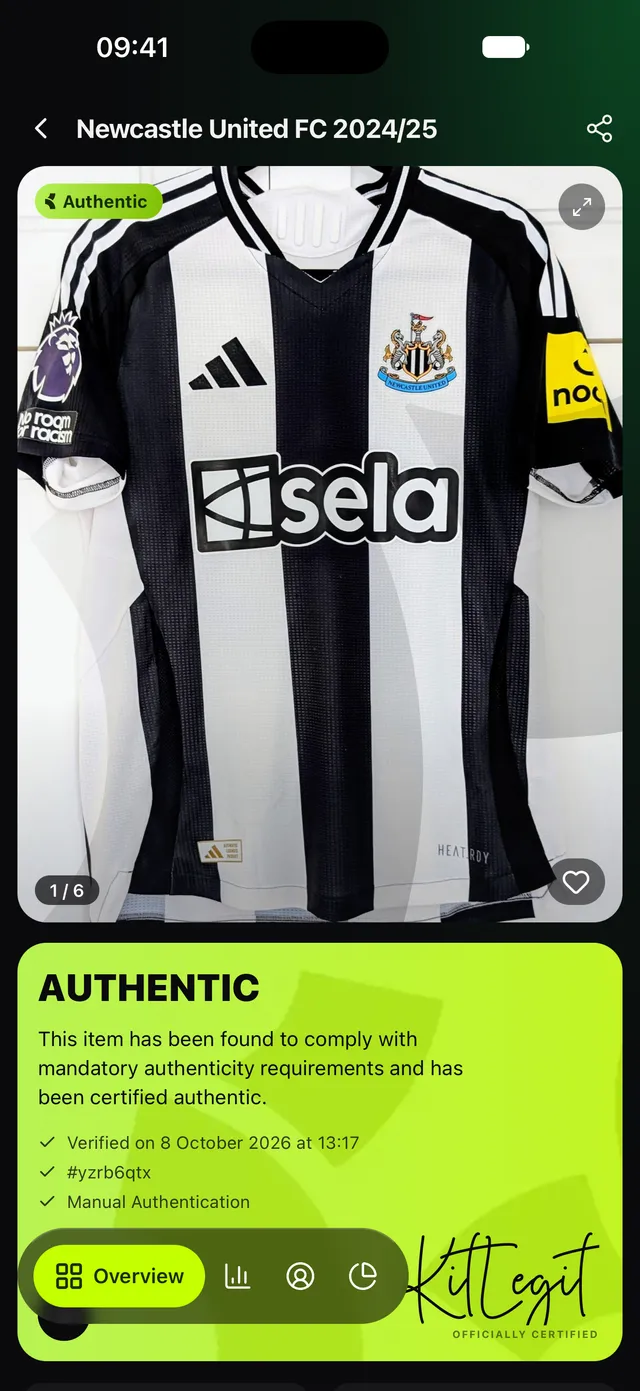
Every shirt has a KitLegit check behind it. None are added by hand.
Authentic only
Only shirts that came back authentic can be claimed.
The record moves with the shirt
Sell one and its history goes to the buyer.
One is your word for it. The other is evidence.
Every shirt carries its own history, and a buyer can read it without an account.
Checks are tied to the physical shirt, so the record follows the shirt through every owner it ever has.
The ownership history on an authentic shirt is public on the web, so nobody has to take a seller's word for where a shirt came from.
When you sell, your ownership remains part of the shirt's history under your username. That is what makes it a real chain rather than an anonymised list, and it is worth knowing before you claim your first shirt.
A KitLegit shirt keeps its own record, and that record is the shirt's rather than yours. Shirts are matched by their security codes, so every check of a particular shirt joins one history no matter who ran it, and that history outlasts any one owner.
When you pass a shirt on, the history goes with it. A buyer can open it without an account and see when the shirt was checked and who has owned it since. That is chain of custody, and it is the thing a receipt has never been able to give anybody.
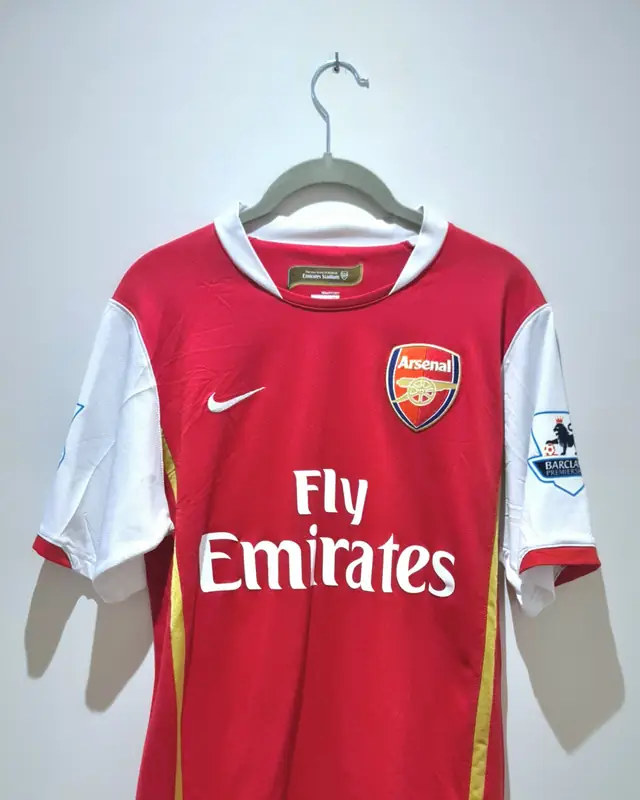
Shirt History
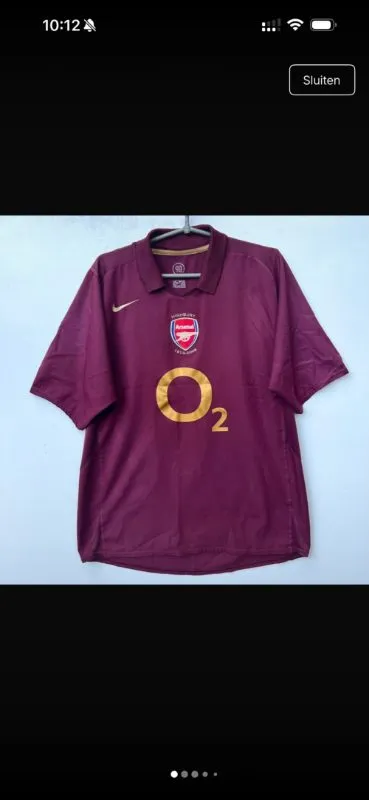
Arsenal 2006/07 · Home
2
Recorded owners
Item Transferred
@owner_two
Item Checked
m******
NFC Tag Added
@owner_one
Item Claimed
@owner_one
Item Checked
o******
Past thirty or forty shirts almost nobody can list what they own from memory, and the first thing to go is which ones you were ever confident about.
Two shirts from the same club and season can be worth very different money depending on the version, the size and the state of the printing, and the largest difference of all is whether a shirt is genuine. A catalogue recording only "Liverpool 2005" has lost the part that matters.
A collection scattered across a loft is hard to insure, hard to claim for and hard to sell. A checked collection is not a list of what you say you had; it is evidence of what you had.
A pile of shirts is private by definition, and an unverified list invites the question every collector dreads. A verified one answers it before anyone asks.
1Arsenal · 2006/07 2Home · Short sleeve 3Nike · L Arsenal 2006/07
Excellent · No name set
Check
Photograph your shirt and get a verdict.
Claim
Authentic? Claim it and it's yours on the record.
Share
It shows on your public profile.
Transfer
Sold it? Send it on, history and all.
Your collection is the shirts you own and have claimed, not everything you have ever checked. Claiming needs an authentic verdict on a check you ran, and that nobody else already owns that shirt. Five claims a month are included, unlimited on a subscription, and beyond that a claim costs a token.
Either you checked it yourself, or someone transferred a shirt they had checked to you, which they approve and which costs you a token. There is no way to add a shirt on your word alone, which is the whole point.
The collection tracks physical shirts, so checking the same one twice does not give you two.
Every finished check has a result page with a link anyone can open, signed in or not, at no cost. A downloadable certificate naming the current owner costs a token, and is free when a shirt has had an expert review.
Profiles are public by default and show your claimed shirts. You can switch yours to private, which hides the lot; there is no hiding one shirt at a time.
Once a shirt has been checked and come back authentic, KitLegit shows a market range for that shirt's model, drawn from current resale listings, and your collection carries an estimated total built from the shirts it can price.
How valuations work →At your first shirt, then ten, fifty, a hundred and two hundred and fifty, with others for clubs, complete kit sets, goalkeeper shirts and continents, and separate ones for checks run. Some stay hidden until you reach the one before.
Collector First
Budding Collector
Growing Collection
Century Collector
Elite Collector
And plenty more to earn along the way
Club Devotee
Club Obsessive
Full Club Set
Kit Completionist
Season Sweep
Crazy Keeper

Global Gallery
Idol Moves
90s Kid

International Debut

Caps Collection
Brand Connoisseur

Manchester Derby

North London Derby

Merseyside Derby

El Clasico

European Adventure
Counterfeit Spotter
Record each shirt's club, season, version, brand, size and condition, with a photo, and keep the season exact rather than approximate. The faster way is to let the shirt tell you: a check identifies the kit and records it, so the catalogue builds itself as you work through the pile.
Start with the ones that matter. The shirts worth checking first are the ones you paid most for, the ones you intend to sell, and the ones you were never quite sure about. Shirts bought new from a club shop are the least urgent.
Every finished check has a result page you can send to anyone, free, and they do not need an account to open it. For something more formal there is a downloadable certificate naming the current owner, which costs a token and is included when a shirt has had an expert review. A claimed shirt is also tied to your account rather than floating free. Any of that answers "how do I know this is real" better than a receipt, which only proves you paid someone.
By default, yes. Profiles are public unless you switch yours to private, and a public profile shows the shirts you have claimed. Checks you have not claimed never appear either way. If you would rather none of it were visible, private is a single switch, but it covers the whole profile rather than individual shirts.
Yes, once your shirts have been checked. The total is built from the shirts we can price and tells you how many that is, so you can see what it rests on. It moves as the market does, since the prices are looked up fresh rather than frozen on the day you added a shirt.
Yes, and it is easier to start at ten shirts than at a hundred. The collectors who struggle are the ones who begin after they have lost track.
Download KitLegit on iOS or Android and get a verdict on your next shirt in seconds.